Introduction
Welcome to our comprehensive guide on tank trap plans. Whether you are a DIY enthusiast setting up a shooting range, a competitive shooter preparing for PRS matches, or a military simulation hobbyist, having the right plans is essential. This guide covers everything from free blueprints to professional-grade steel fabrication drawings, helping you choose the perfect design for your project.
In this article, we explore the difference between steel and concrete tank trap plans, where to find the best tank trap plans online, legal considerations, and a full cost breakdown. By the end, you will know exactly how to build a tank trap barricade that meets your needs and budget.
What Are Tank Trap Plans?
What Exactly Are Tank Trap Plans?
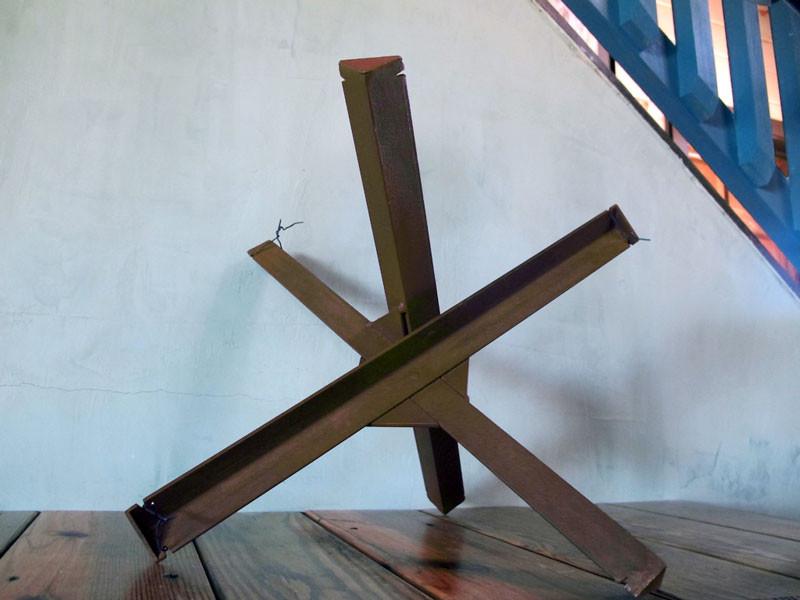
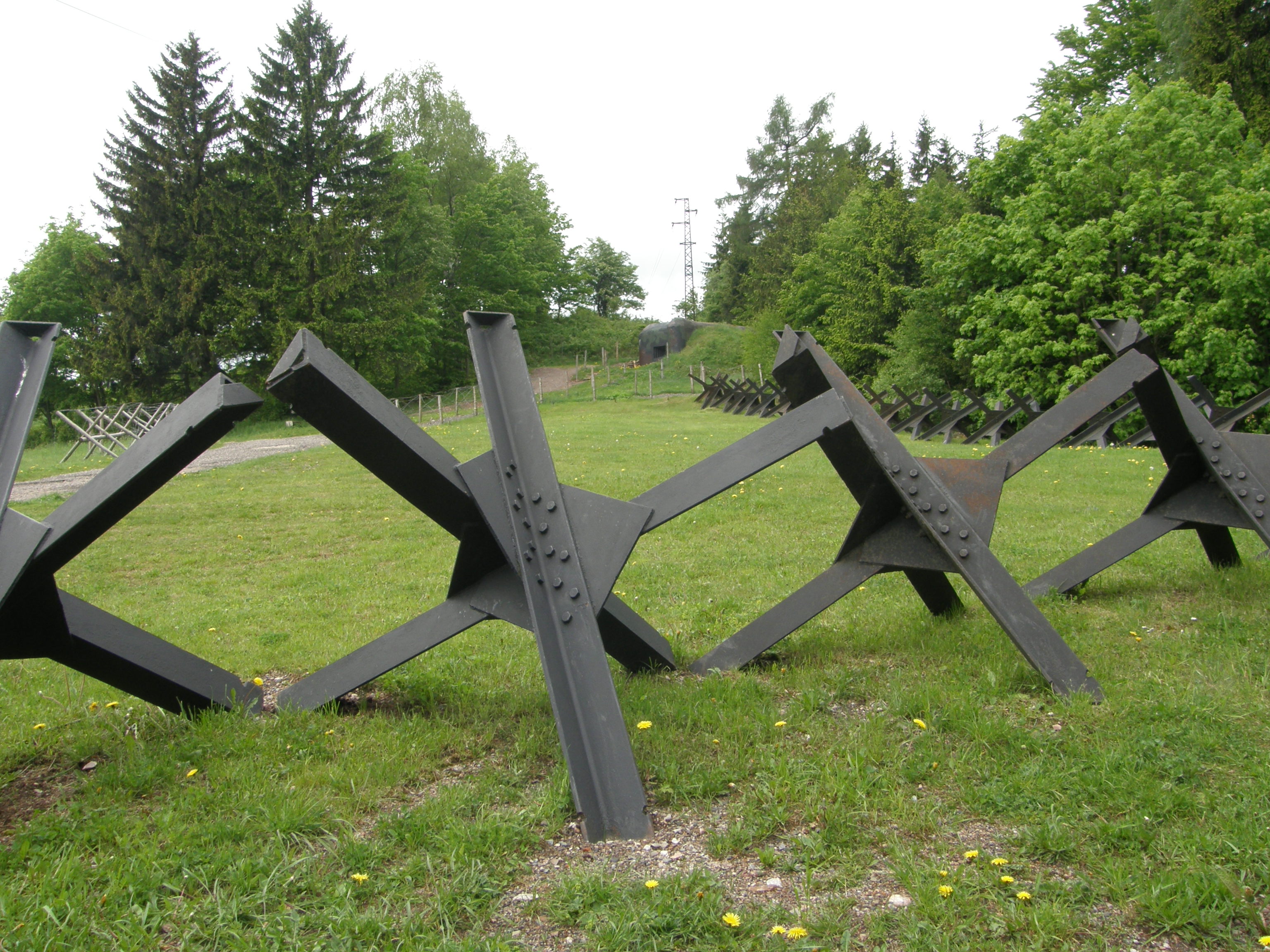
Tank trap plans are detailed construction drawings that show you how to build an anti-tank barrier — commonly known as a Czech hedgehog or tetrahedron. Originally developed as a military anti-vehicle obstacle, these steel or concrete structures have found new popularity in civilian applications, particularly shooting ranges and tactical training facilities. Even military tank trap plans from WWII era designs remain relevant today for historical reenactments and training scenarios.
A standard tank trap consists of three intersecting beams of equal length, typically made from steel I-beams, railroad rails, or reinforced concrete. The tank trap plans specify the exact dimensions, weld points, material grade, and assembly sequence required to build a structurally sound barrier. Modern adaptations of military tank trap plans often include modifications for easier transport and setup.
Military vs Civilian Tank Trap Plans
Military tank trap plans are designed for battlefield conditions and often use heavier materials with specific armor-grade requirements. If you are searching for military tank trap plans, expect specifications for thicker steel and reinforced weld points. Civilian plans, on the other hand, focus on practical shooting sports applications where mobility, weight, and cost are more important. Many modern plans bridge both worlds, offering scaled-down versions suitable for range use while maintaining the iconic tetrahedral geometry.
Types of Tank Trap Plans: Steel vs Concrete
When choosing tank trap plans, the first major decision is material. Steel and concrete each have distinct advantages, and your choice depends on budget, portability needs, and intended use.
Steel Tank Trap Plans
Steel tank trap plans are the most popular option for shooting range applications. Steel designs typically use 6-inch to 8-inch I-beams or heavy-duty steel tubing. The key advantages of steel tank trap plans include:
- Portability: Steel tank traps can be moved with a forklift or trailer, making them ideal for ranges that reconfigure layouts.
- Durability: Properly welded steel traps withstand thousands of rounds without structural degradation.
- Weldability: Most steel tank trap plans require standard MIG or stick welding, accessible to most DIY fabricators.
- Material availability: Steel beams are widely available from metal suppliers and scrapyards.
Concrete Tank Trap Plans
Concrete tank trap plans offer a permanent, low-maintenance alternative. These designs use reinforced concrete poured into forms, creating massive barriers that cannot be easily moved. Benefits of concrete tank trap plans include:
- Cost efficiency: For large quantities, concrete is cheaper per unit than steel.
- Weight stability: Concrete traps stay put without anchoring.
- Corrosion resistance: No rust concerns in outdoor environments.
- Stealth option: Concrete can be painted or textured to blend into natural terrain.
For shooting ranges, a hybrid approach is common: steel tank trap plans for portable barricades and concrete tank trap plans for permanent perimeter obstacles.
Understanding Tank Trap Blueprints and Standard Dimensions
Reading tank trap blueprints is straightforward once you understand the standard dimensions. A regulation-size tank trap measures approximately 1.6 meters (5.2 feet) along each edge, with three beams intersecting at 90-degree angles in a cruciform (tetrahedral) arrangement.
| Parameter | Standard Value | Notes |
|---|---|---|
| Beam length | 1.6 m (5.2 ft) | Center-to-center of intersection |
| Beam section | 6-8 inch I-beam | ASTM A36 or equivalent |
| Weight per unit | 150-250 kg (330-550 lbs) | Steel; concrete is heavier |
| Intersection angle | 90° | Each pair of beams |
| Weld specification | Full penetration | Per AWS D1.1 structural code |
Most tank trap plans pdf downloads include these dimensions along with detailed weld maps and cut lists. When reviewing blueprints, pay attention to:
- Material callouts: The grade and size of steel or the PSI rating of concrete
- Weld symbols: Indicate type and size of welds at each joint
- Tolerance notes: Allowable variation in beam length and angle
- Load ratings: Maximum impact force the barrier can withstand
Standard dimensions for a tank trap barricade in PRS competitions are often smaller than military spec — typically 1.2 to 1.4 meters per edge — to allow easier transport and setup. Always verify that your chosen plans match your intended application.

Free vs Paid Tank Trap Plans — Which Is Better?
One of the most common questions shooters ask is: should I use free tank trap plans or invest in professional paid designs? Both options have their place, and the right choice depends on your skill level and requirements. Searching for tank trap plans free online will yield hundreds of results, but quality varies significantly.
Free Tank Trap Plans
Tank trap plans free options are widely available on forums, shooting community websites, and YouTube channels. If you search for tank trap plans free on popular platforms, you will find both basic sketches and detailed blueprints. Benefits include:
- Zero cost: You can download and evaluate multiple designs before committing.
- Community-tested: Many free plans come from experienced shooters who have built and tested them.
- Quick start: Download a tank trap plans pdf and start building immediately.
However, free plans often lack detailed engineering calculations, weld specifications, and material grade callouts. They may also omit critical safety information about load ratings and anchoring requirements.
Paid Professional Tank Trap Plans
Professional tank trap plans — typically priced between $20 and $100 — offer several advantages:
- Engineered designs: Professionally calculated load ratings and structural integrity.
- Complete documentation: Full bill of materials, cut lists, welding procedures, and assembly instructions.
- Customization options: Many vendors offer modified designs for specific applications.
- Liability protection: Professional plans include disclaimers and safety guidelines.
Free vs paid tank trap plans — our recommendation is to start with free designs for your first build, then invest in professional plans once you understand your specific needs. Where can I find free tank trap plans online? Popular sources include Reddit communities (r/longrange, r/gundeals), PRS forum build sections, and YouTube tutorial descriptions.
Where to Find the Best Tank Trap Plans Online
Finding the best tank trap plans requires knowing where to look. Here are the top sources ranked by quality and community feedback:
| Source | Type | Quality | Cost |
|---|---|---|---|
| PRS Forum Build Section | Community plans | Excellent | Free |
| YouTube Build Channels | Video + PDF | Good | Free |
| Etsy / Gun Builder Marketplaces | Professional PDF | Excellent | $15-50 |
| Shooting Range Supply Stores | Proprietary plans | Very Good | $50-100 |
| Military Surplus Manuals | Government specs | Excellent | $10-30 |
For the best tank trap plans for beginners, we recommend starting with a simple steel design from the PRS forum. These plans are community-vetted, include clear tank trap blueprints, and typically require only basic welding equipment.
Where can I find the best tank trap plans online? The PRS (Precision Rifle Series) website has a dedicated barricade build section with dozens of verified plans. YouTube channels like "KYLE ON TARGET" and "SHOOTER TACTICAL" offer free video walkthroughs with downloadable PDFs. For military-grade specifications, check the US Army Field Manual archives, which contain original WWII-era Czech hedgehog construction drawings.
DIY Tank Trap Plans for Shooting Ranges
Shooting ranges are the most common civilian application for tank traps, and tank trap plans for shooting range use have specific design considerations. Unlike military barriers that must stop vehicles, range barriers need to provide stable shooting positions while being movable for course reconfiguration.
How to Build a Tank Trap Barricade for Shooting Range
Building a range-specific tank trap follows these steps:
- Select your plans: Choose tank trap plans for shooting range that specify lighter steel (6-inch I-beam or heavy tubing) for portability.
- Prepare materials: Source three beams of equal length plus steel plate for gussets at the intersection.
- Cut and notch: Each beam needs a notch at the midpoint to allow the three pieces to interlock at 90-degree angles.
- Weld assembly: Tack weld the beams together, check squareness, then apply full-penetration welds at all joints.
- Add shooting surface: Many range plans include a flat steel plate welded to one face to create a stable shooting platform.
- Apply finish: Paint with rust-inhibiting coating. Add rubber edge guards for competition legality.
What materials do I need for a DIY tank trap? The basic material list includes: three 1.6m steel I-beams (6 or 8 inch), 1/4-inch steel plate for gussets, welding electrodes (E7018), angle grinder wheels, and rust-inhibiting primer and paint.
For PRS and NRL competitions, verify that your build conforms to the division rules. Most competitions require tank traps to weigh between 150-250 lbs and have specific footprint dimensions.
Materials Needed for Your Tank Trap Build
Before you start building, gather all necessary materials. Here is a comprehensive list based on standard tank trap plans for a steel barrier:
| Material | Specification | Quantity (per trap) | Estimated Cost |
|---|---|---|---|
| Steel I-beam | 6" x 4" x 1/4" A36 | 3 x 1.6m lengths | $180-250 |
| Gusset plate | 1/4" steel plate, 12" x 12" | 2 pieces | $20-30 |
| Welding wire/rod | E7018 or ER70S-6 | 2-3 lbs | $15-25 |
| Angle grinder wheels | 4.5" cutting/grinding | 5-10 discs | $10-20 |
| Primer & paint | Rust-inhibiting industrial | 1 gallon | $30-50 |
| Rubber edge guards | 1/2" thick, 2" wide | 12 ft | $20-40 |
| Hardware (bolts) | Grade 8, 3/4" x 3" | 12 bolts + nuts | $15-25 |
For concrete tank trap plans, the material list changes significantly: lumber for forms (2x6 or 2x8), rebar for reinforcement (4 or 5 rebar), concrete mix (4000 PSI minimum), and form release agent. A concrete tank trap typically requires about 0.5 cubic yards of concrete per unit.
Can I build a tank trap with wood instead of steel? While wood tank traps are possible for lightweight training props, they are not recommended for shooting range use. Wood lacks the durability to withstand repeated impacts and weather exposure. However, wooden mockups are excellent for prototyping — build a full-scale wood version first to verify your tank trap plans before investing in steel fabrication.
Cost Breakdown: Building a Tank Trap from Plans
Understanding the full cost to build a tank trap helps you budget effectively. How much does it cost to build a tank trap? Here is a realistic breakdown based on material choice and build complexity:
| Build Type | Material Cost | Tools Required | Labor Time | Total Estimate |
|---|---|---|---|---|
| Steel — Basic DIY | $250-350 | Welder, grinder, drill | 8-12 hours | $400-500 |
| Steel — Professional | $400-600 | All above + plasma cutter | 4-6 hours | $600-800 |
| Concrete — DIY | $150-250 | Mixing tools, forms | 16-24 hours | $300-400 |
| Concrete — Professional | $300-500 | Ready-mix truck, forms | 1-2 hours | $500-700 |
| Pre-fabricated Purchase | $400-800 | None (delivered) | 30 min setup | $400-800 |
How much do professional tank trap plans cost? Professionally engineered plans range from $20 for a basic PDF download to $100+ for fully detailed CAD drawings with structural certifications. Considering that errors in fabrication can cost hundreds in wasted materials, investing in quality plans is cost-effective for first-time builders.
The most significant variable in cost is steel pricing, which fluctuates with market conditions. In 2025-2026, A36 steel beams have ranged from $0.80-$1.20 per pound. Buying from scrapyards or surplus metal dealers can cut material costs by 40-60% compared to new stock.
Legal Considerations for Building Tank Traps
Before you start building, consider the legal landscape. Are tank trap plans legal in my area? In most jurisdictions, building a tank trap for personal use on private property is perfectly legal. However, several factors can affect legality:
- Zoning regulations: Some areas restrict the construction of military-style obstacles. Check with your local planning department.
- Property line restrictions: Large barriers near property boundaries may require permits.
- Shooting range regulations: If building for a commercial range, additional safety certifications may be required.
- Transport laws: Moving steel tank traps on public roads may require oversize load permits.
- Liability considerations: If building for a commercial range, professional tank trap plans with engineering stamps provide liability protection.
Are tank trap plans legal in my area? For the United States, tank traps fall under general construction regulations rather than weapons laws. The National Firearms Act (NFA) does not apply. However, check state and local building codes — some jurisdictions classify tank traps as "structures" requiring building permits. For European readers, regulations vary significantly by country, with some requiring structural engineering approval for barriers over a certain weight.
We recommend consulting with a local attorney or range safety officer before constructing permanent barriers, particularly if they will be used by the public.
Tank Trap vs Barricade — Key Differences
A common source of confusion is the difference between a tank trap and a shooting barricade. While the terms are often used interchangeably, there are important distinctions.
| Feature | Tank Trap | Barricade |
|---|---|---|
| Primary design purpose | Vehicle stopping | Shooter support |
| Typical shape | Tetrahedral (3-beam) | Rectangular, A-frame, or wall |
| Weight | 150-250+ kg | 30-100 kg |
| Portability | Requires mechanical lifting | Often man-portable |
| Materials | Steel or reinforced concrete | Wood, plywood, light steel |
| Shooting surface | Angled (optional add-on) | Flat, purpose-built |
Tank trap vs barricade — what is the difference? In practical terms, tank traps are designed to stop or impede vehicles, while barricades are designed to support shooters. However, in the PRS and NRL competition world, the term "tank trap" has been adopted to describe any tetrahedral-shaped shooting obstacle, even if it is lightweight and portable.
Most tank trap plans for shooting sports blur this line by incorporating design elements of both — the classic tetrahedral shape with a flat shooting surface welded to one face. When searching for plans, pay attention to whether the design is intended for competition use or military simulation, as this affects dimensions and weight requirements.
Tank Trap Plans for PRS Competitions
Precision Rifle Series (PRS) competitions have specific rules about tank trap dimensions and construction. What is the best tank trap plan for PRS competitions? PRS rules specify that barricades including tank traps must be no larger than 24 inches in any dimension at the shooting surface, and the overall structure must be stable on typical range terrain.
PRS-Specific Design Requirements
For PRS-legal tank trap plans, follow these specifications:
- Shooting surface: Flat area minimum 4" x 4", maximum 12" x 12"
- Overall height: 36-48 inches from ground to shooting surface
- Weight: Minimum 100 lbs for stability, maximum 300 lbs for transport
- Footprint: Stable on uneven ground — add leveling feet if needed
- Edge protection: All sharp edges must be covered with rubber or plastic
Best tank trap plans for PRS typically use a hybrid design: a steel tetrahedron frame with a removable plywood or HDPE shooting top. This allows the shooter to customize the height and angle while maintaining the structural integrity of the steel base.
Many competitive shooters modify their tank trap plans to include adjustable legs or removable weight plates, allowing the same barrier to serve multiple match formats. Check the current PRS rulebook before building, as specifications are updated periodically.
Conclusion and Next Steps
Whether you are looking for tank trap plans for your first DIY build or upgrading your competition equipment, the key is matching the design to your specific needs. Start with free plans to understand the geometry and construction process, then invest in professional engineered plans for your final build.
To summarize the key takeaways:
- Best tank trap plans for beginners: Free community plans from PRS forums or YouTube — learn the basics before investing.
- Materials: Steel I-beam (6-8 inch) for portability, reinforced concrete for permanent installations.
- Budget: Expect $300-$800 total depending on material choice and whether you fabricate yourself or purchase pre-built.
- Legal: Generally legal for private property use, but verify local zoning and range regulations.
- Competition: For PRS/NRL use, verify your build meets current division specifications.
Ready to start your build? Request a Quote from our team for professional-grade pre-fabricated tank traps or custom fabrication services. Our Security Barrier Team can help you select the right design for your specific application, whether shooting range, military training, or perimeter security.