Introduction
Anti vehicle barriers are essential security components for protecting critical infrastructure, government facilities, military bases, and commercial properties from vehicle-borne threats. Whether you need to prevent a ram-raid attack at a retail storefront or protect a military checkpoint from a VBIED (vehicle-borne improvised explosive device), choosing the right anti vehicle barrier is a critical decision that requires understanding ratings, materials, certification, and costs.
This complete guide covers everything you need to know about anti vehicle barriers: how they work, the different types available, K12 ratings and other impact standards, steel thickness specifications, certification requirements, and a practical guide to selecting the right barrier for your facility. We also provide a curated anti vehicle barrier manufacturers list to help you find qualified suppliers.
What Is an Anti Vehicle Barrier?
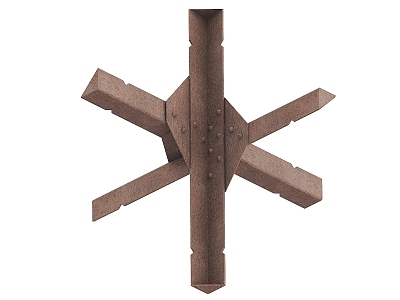
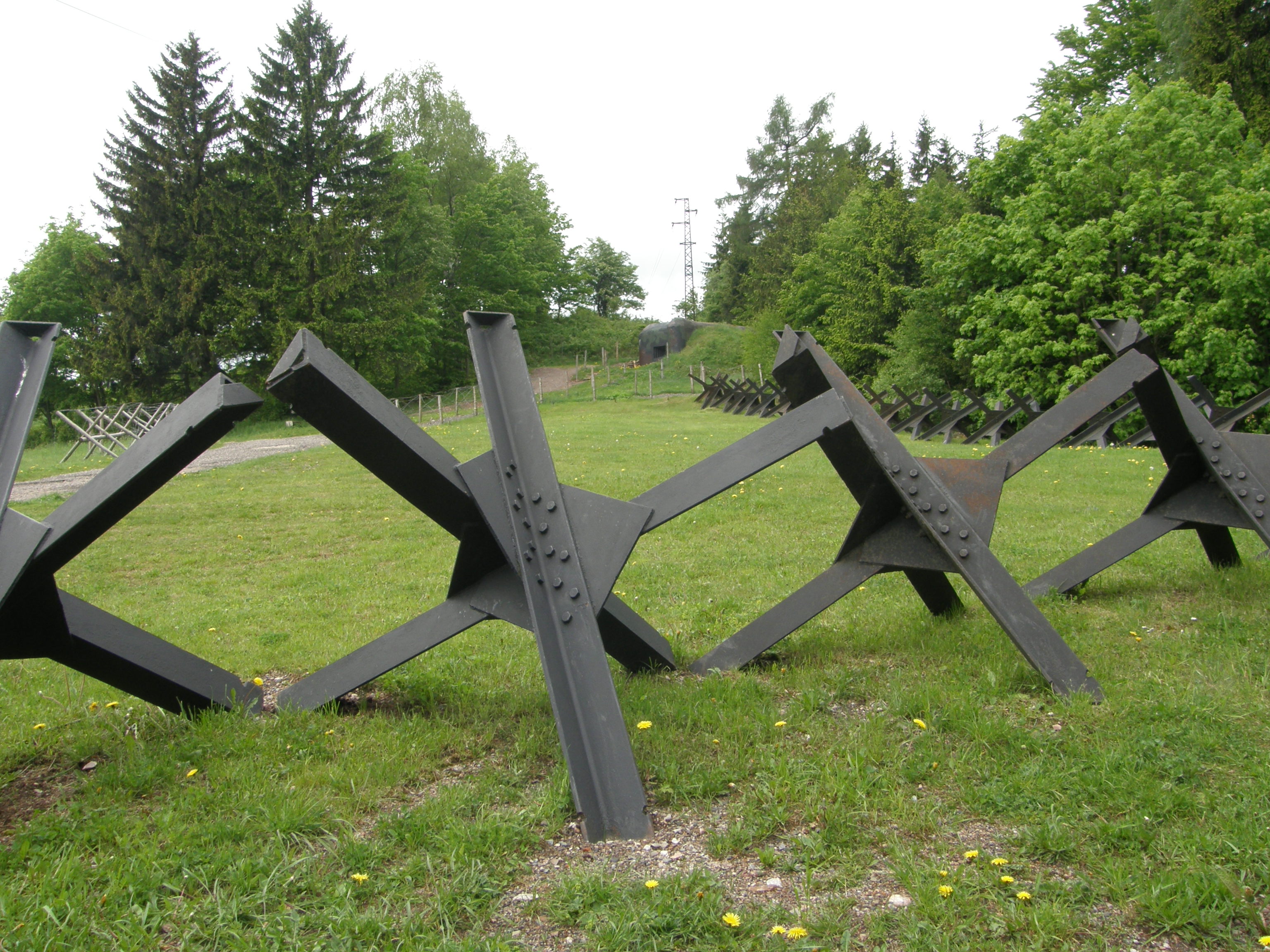
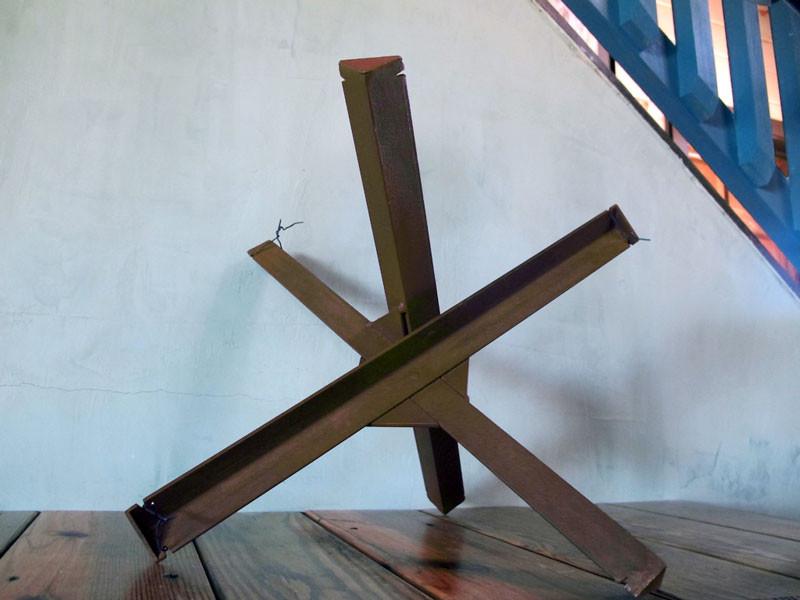
An anti vehicle barrier is a physical security device designed to stop or redirect a moving vehicle, preventing unauthorized access to a protected area. Unlike standard traffic barriers that only provide guidance or delineation, anti vehicle barriers are engineered to absorb the kinetic energy of a vehicle impact and bring the vehicle to a controlled stop.
How Anti Vehicle Barriers Work
Anti vehicle barriers operate on the principle of kinetic energy absorption. When a vehicle strikes a barrier, the barrier must absorb or redirect the energy of the impact. The three primary mechanisms are:
- Fixed Barriers: Rigid structures that rely on their mass and structural strength to stop a vehicle. The barrier must be anchored to a substantial foundation to transfer impact forces to the ground.
- Energy-Absorbing Barriers: Designed to deform or displace in a controlled manner, extending the stopping distance and reducing peak forces on the vehicle and barrier structure.
- Active Barriers: Moveable barriers that can be opened for authorized traffic and closed to block threats. These include hydraulic wedges, rising bollards, and sliding gates with impact-rated construction.
Applications and Use Cases
Anti vehicle barriers are used at embassies, government buildings, military installations, airports, data centers, stadiums, and commercial facilities. The level of protection required depends on the threat assessment, vehicle types expected, and acceptable approach speeds.
Types of Anti Vehicle Barriers
Understanding the different types of anti vehicle barriers is essential for selecting the right solution for your specific security requirements. Each type has distinct advantages and limitations.
| Barrier Type | Typical Use | Portability | Impact Rating | Cost Range |
|---|---|---|---|---|
| Steel Wedge Barriers | Checkpoints, entrances | Fixed | K4–K12 | $15,000–$50,000 |
| Rising Bollards | Pedestrian zones, perimeters | Fixed | K4–K8 | $3,000–$12,000 each |
| Crash-Rated Gates | Vehicle entrances | Movable | K4–K12 | $25,000–$100,000+ |
| Portable Barriers | Temporary security | Transportable | K4–K8 | $5,000–$20,000 |
| Anti-Ram Fencing | Perimeter protection | Fixed | K4–K8 | $500–$1,500/meter |
| Bollard Systems | Urban security | Fixed/Removable | K4–K12 | $500–$3,000 each |
Steel Wedge Barriers
Steel wedge barriers are heavy-duty anti vehicle barriers that rise from a recess in the roadway to block vehicle access. They offer the highest impact ratings and are commonly used at military checkpoints and high-security government facilities. Wedge barriers can stop a 15,000 lb vehicle traveling at 50 mph (K12 rating) when properly installed.
Rising Bollards and Removable Barriers
Rising bollards offer flexibility for locations that need both security and aesthetics. Automatic bollards retract flush with the ground for authorized access and rise to block threats. Removable bollards offer a lower-cost alternative for locations that need occasional vehicle access but no automation.
Portable Anti Vehicle Barriers
For temporary security needs such as events, construction sites, or rapid deployments, portable anti vehicle barriers provide an effective solution. These are typically steel-framed units that can be positioned with forklifts or trailers and filled with water, sand, or concrete for additional mass.
Anti Vehicle Barrier Rating Standards and K12 Rating
The anti vehicle barrier K12 rating is one of the most important specifications to understand when selecting a barrier. Impact ratings are determined through standardized testing protocols that measure a barrier ability to stop a vehicle of specified weight traveling at a specified speed. The anti vehicle barrier rating standards provide a common framework for comparing products from different manufacturers.
K-Rating System (ASTM F2656)
The ASTM F2656 standard defines the K-rating system for anti vehicle barriers. The anti vehicle barrier rating standards include both the vehicle weight and the impact speed:
| Rating | Vehicle Weight | Impact Speed | Penetration Limit |
|---|---|---|---|
| K4 | 15,000 lb (6,800 kg) | 30 mph (48 km/h) | <3.3 ft (1 m) |
| K8 | 15,000 lb (6,800 kg) | 40 mph (64 km/h) | <3.3 ft (1 m) |
| K12 | 15,000 lb (6,800 kg) | 50 mph (80 km/h) | <3.3 ft (1 m) |
The anti vehicle barrier rating standards also include the M-rating system (M30, M40, M50) which uses a 15,000 lb vehicle, and the higher P-rating (P1, P2) which uses a medium-duty truck. Understanding these rating standards is crucial because a barrier certified to K12 provides significantly more protection than a K4-rated barrier. The anti vehicle barrier K12 rating is the most commonly specified standard for high-security applications.
IWA 14-1 and PAS 68 Standards
In addition to ASTM standards, international standards such as IWA 14-1 and PAS 68 provide anti vehicle barrier certification frameworks used primarily in Europe and the Middle East. These standards classify vehicles by category and specify penetration distances under impact. When evaluating barriers from international suppliers, ensure you understand which standard the certification refers to.
Why K12 Rating Matters
The K12 rating represents the highest standard K-rating for anti vehicle barriers. Barriers with a K12 rating have been tested and proven to stop a 15,000 lb vehicle traveling at 50 mph with less than 1 meter of penetration. For high-security applications such as embassies, military bases, and critical infrastructure, K12-rated anti vehicle barriers are the industry standard.
Anti Vehicle Barrier Steel Thickness Specifications
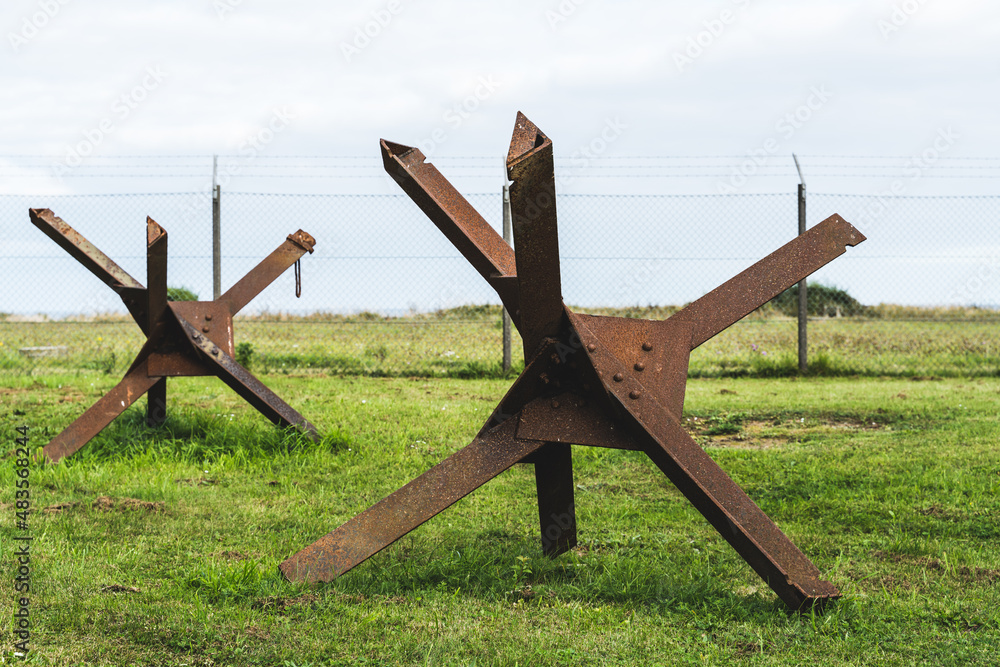
The anti vehicle barrier steel thickness specifications are a critical factor in determining barrier performance and durability. Steel thickness directly affects the barrier ability to withstand impact forces and resist deformation or penetration. Understanding anti vehicle barrier steel thickness specifications helps you evaluate different products and ensure you are getting the level of protection you are paying for.
Standard Steel Thicknesses by Barrier Type
| Barrier Component | Typical Steel Thickness | Steel Grade |
|---|---|---|
| Wedge barrier plate | 10–25 mm | ASTM A36 / S355 |
| Bollard wall thickness | 6–12 mm | API 5L / ASTM A500 |
| Support frame beams | 8–20 mm | ASTM A992 / S355J2 |
| Impact face plate | 12–30 mm | Hardox / AR400/500 |
| Foundation anchors | 20–40 mm dia. | ASTM A193 Grade B7 |
Factors Influencing Steel Thickness Requirements
The required steel thickness for an anti vehicle barrier depends on several factors: the target impact rating (K4 vs K8 vs K12), the barrier design and geometry, the type of steel used (mild steel vs high-strength alloy), and whether the barrier uses energy-absorbing features. For example, a K12-rated wedge barrier typically uses 20–25 mm steel plate for the main impact surface, while a K4-rated barrier may use 10–12 mm plate.
High-Strength Steel Options
Many premium anti vehicle barriers use abrasion-resistant (AR) steel grades such as AR400 or AR500 for the impact face. These steels offer 3–4 times the wear resistance of standard structural steel, allowing thinner sections to achieve the same impact performance. Military-grade barriers often specify Hardox 450 or 500 steel for its combination of hardness, toughness, and weldability.
When evaluating steel thickness specifications, it is essential to consider the entire system: the visible steel components provide the initial impact resistance, but the foundation and anchoring system are equally critical. A barrier with thick steel plate but inadequate foundation anchorage will fail under impact because the entire structure will displace.
Anti Vehicle Barrier Certification Requirements
Anti vehicle barrier certification is the process of verifying that a barrier meets the impact performance standards it claims. Certification is not optional for high-security applications — it provides legal, insurance, and operational assurance that the barrier will perform as expected in a real attack.
Approved Certification Bodies
Anti vehicle barrier certification must be performed by independent, accredited testing laboratories. In North America, the primary certifying bodies include:
- ASTM International: Publishes the F2656 standard for vehicle impact testing of perimeter barriers.
- Department of State (DoS): The U.S. Department of State maintains the SD-STD-01.01 standard for anti-ram barriers at diplomatic facilities.
- Intertek / Warnock Hersey: Independent testing laboratories that perform ASTM F2656 certification testing.
- Underwriters Laboratories (UL): UL 752 provides standards for bullet-resisting equipment that may overlap with barrier requirements.
Certification Process
The certification process involves full-scale vehicle impact testing where a truck or car is accelerated to the specified speed and directed at the barrier. High-speed cameras, sensors, and measurement equipment document the impact, penetration distance, and structural response. The barrier passes if the penetration distance does not exceed the standard limit (typically 1 meter for K-rating tests).
Certification documentation should include the exact barrier model, foundation specifications, vehicle weight and speed, and test results. When procuring anti vehicle barriers, always request copies of the actual certification test report — not just a certificate summary. This documentation is essential for insurance compliance, security audits, and liability protection.
Why Certification Matters
Uncertified anti vehicle barriers represent a significant liability. Without independent verification, there is no assurance that the barrier will stop a vehicle at the claimed rating. Many low-cost barriers from non-certified manufacturers use thinner steel or weaker foundations that would fail under real impact conditions. Always specify ASTM F2656 or equivalent certification in your procurement requirements.
How to Choose the Right Anti Vehicle Barrier
Knowing how to choose the right anti vehicle barrier for your facility requires a systematic assessment of your security needs, site conditions, and budget. Follow this step-by-step selection framework to ensure you select the optimal barrier solution.
Step 1: Conduct a Threat Assessment
Start by identifying the vehicle-borne threats relevant to your site. Consider the maximum vehicle size and weight that could approach your perimeter (passenger car, SUV, delivery truck, or heavy commercial vehicle). Determine the maximum approach speed based on road geometry and standoff distance. A site on a highway off-ramp requires a higher-rated barrier than a facility on a low-speed access road.
Step 2: Determine Required Impact Rating
Based on your threat assessment, select the appropriate impact rating. For most government and military facilities, K12-rated anti vehicle barriers are recommended. For lower-risk commercial applications, K4 or K8 may provide adequate protection at a lower cost. Consider future threat evolution — installing a higher-rated barrier now may be more cost-effective than upgrading later.
Step 3: Evaluate Site Constraints
Site-specific factors that influence barrier selection include:
- Available space: Wedge barriers and gates require excavation and foundation work. Bollards can fit in tighter spaces.
- Traffic volume: High-traffic entrances need fast-operating barriers (hydraulic wedges or automatic bollards).
- Aesthetic requirements: Urban locations may require architecturally designed bollards or barriers that match the surrounding environment.
- Utility locations: Underground utilities may limit where foundations can be installed.
Step 4: Consider Operational Requirements
How will the barrier be used daily? Consider access control integration (card readers, biometrics, license plate recognition), vehicle detection systems (loop detectors, radar), and backup power requirements for active barriers. Also plan for maintenance access and replacement parts availability.
Step 5: Budget and Total Cost of Ownership
Beyond the initial purchase and installation cost, consider maintenance requirements, repair costs after an impact (if the barrier is sacrificial), and any operational costs such as hydraulic fluid replacement or electrical consumption. Certified barriers may have a higher upfront cost but offer lower lifetime risk.
Anti Vehicle Barrier Cost Analysis
The cost of an anti vehicle barrier varies widely based on type, impact rating, material specifications, and installation complexity. Understanding the cost factors helps you budget accurately and compare options effectively.
Cost Breakdown by Barrier Type
| Barrier Type | Unit Cost | Installation Cost | Total Installed |
|---|---|---|---|
| Fixed steel bollard (K4) | $500–$1,500 | $200–$500 | $700–$2,000 |
| Removable bollard (K8) | $1,500–$3,000 | $300–$800 | $1,800–$3,800 |
| Automatic rising bollard (K4–K8) | $3,000–$8,000 | $1,000–$3,000 | $4,000–$11,000 |
| Steel wedge barrier (K12) | $15,000–$35,000 | $5,000–$15,000 | $20,000–$50,000 |
| Crash-rated sliding gate (K12) | $25,000–$80,000 | $10,000–$30,000 | $35,000–$110,000 |
| Portable barrier (K4–K8) | $5,000–$15,000 | $1,000–$3,000 | $6,000–$18,000 |
How Much Does an Anti Vehicle Barrier Cost?
Answering the question "How much does an anti vehicle barrier cost?" requires defining the specific type and rating. For a single K12-rated wedge barrier installed, expect to pay $20,000–$50,000. For a perimeter with multiple bollards, costs range from $800–$3,000 per bollard installed. Large-scale projects with multiple barriers often benefit from volume discounts of 10–20%.
Factors Affecting Cost
Key cost drivers include steel thickness (thicker plate = higher material cost), certification status (certified barriers cost more but provide assurance), foundation depth (deeper foundations for higher ratings), and customization requirements (paint, corrosion protection, access control integration).
For accurate pricing, request quotes from multiple anti vehicle barrier manufacturers with your specific requirements. Be cautious of unusually low prices — they often indicate non-certified barriers with thinner steel or inadequate foundations.
Anti Vehicle Barrier Manufacturers List
Finding reliable anti vehicle barrier manufacturers is a critical step in any perimeter security project. The quality, certification, and support you receive depends on choosing the right supplier. Below we provide a curated anti vehicle barrier manufacturers list and guidance on evaluating potential suppliers.
Leading Anti Vehicle Barrier Manufacturers
The global market for anti vehicle barriers includes established manufacturers with decades of experience and proven certification records:
- Delta Scientific: One of the most recognized names in high-security anti vehicle barriers. Delta offers a full range of K4–K12 rated wedge barriers, bollards, and crash-rated gates used by U.S. government facilities worldwide.
- Nasatka Security: Specializes in crash-rated barriers and has supplied barriers to the U.S. Department of State and Department of Defense. Their wedge barriers are certified to K12 and K54 ratings.
- Tymetal: Manufactures a wide range of crash-rated gates, wedge barriers, and bollard systems. Their products are ASTM F2656 certified and used at airports, military bases, and government buildings.
- B&B ARMR (formerly B&B Roadway): A leading manufacturer of surface-mounted and shallow-mount wedge barriers that reduce excavation costs while maintaining K12 certification.
- Heald Technologies: Provides crash-rated bollard systems and wedge barriers with a focus on urban security applications.
- Gunnebo: A global security company offering certified anti-ram barriers, rising bollards, and entrance control solutions for commercial and government clients.
- Avon Barrier: UK-based manufacturer of PAS 68 and IWA 14-1 certified barriers, including rising bollards, road blockers, and crash-rated gates.
How to Evaluate Manufacturers
When reviewing the anti vehicle barrier manufacturers list for your project, request the following from each candidate:
- Certified test reports for the specific model you are considering (not just a generic company certification).
- Detailed foundation design drawings and specifications.
- References from projects of similar scope and security level.
- Warranty terms and after-sales support commitments.
- Lead times and delivery schedules.
Working with established manufacturers ensures that your anti vehicle barrier will perform as specified, meet insurance requirements, and provide reliable protection for decades.
Conclusion
Selecting the right anti vehicle barrier is a significant investment in security that requires careful consideration of threat levels, impact ratings, material specifications, certification, and cost. The anti vehicle barrier market offers solutions for every application — from K4-rated bollards for urban storefront protection to K12-rated wedge barriers for military checkpoints.
Remember these key takeaways:
- Always specify ASTM F2656 or equivalent certified anti vehicle barriers for high-security applications.
- K12-rated barriers provide the highest level of K-rating protection, stopping a 15,000 lb vehicle at 50 mph.
- Steel thickness specifications directly impact barrier performance — but the foundation and anchoring are equally important.
- Work with established anti vehicle barrier manufacturers that provide complete certification documentation and support.
- Factor in total cost of ownership including installation, maintenance, and potential repair costs.
For assistance in selecting and procuring the right anti vehicle barrier for your facility, contact our team of security barrier specialists. We work with certified manufacturers to deliver solutions that meet your specific threat, site, and budget requirements.